English


WILDEN APPLICATION GUIDE
WILDEN Pumps for Mining and Dewatering
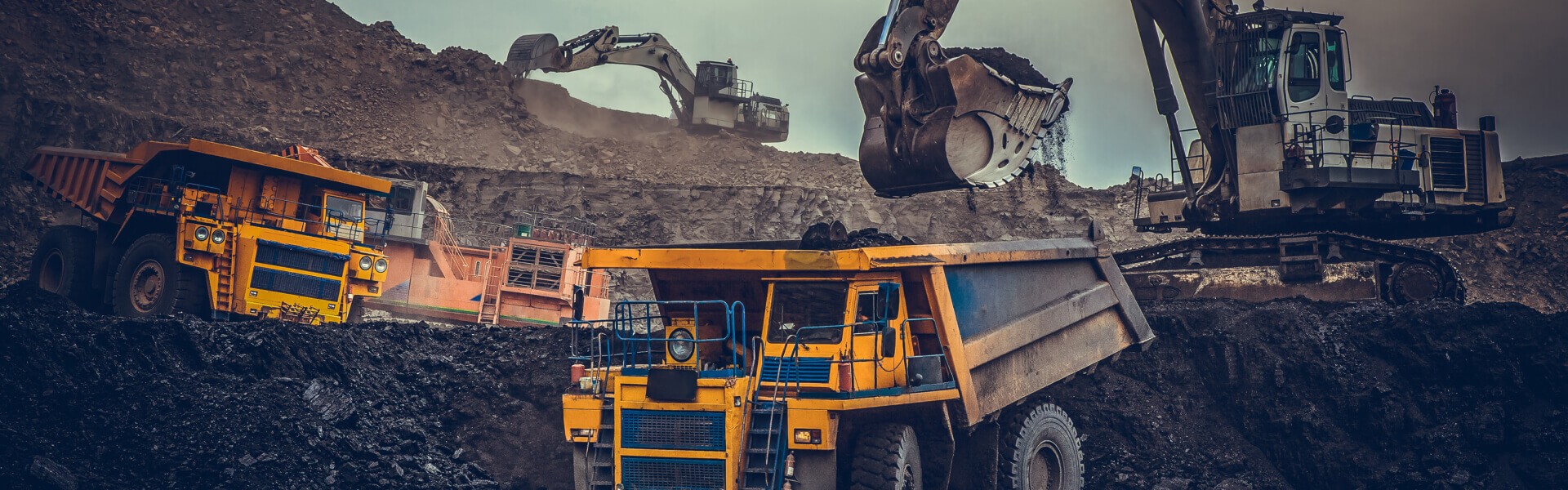
A mining selection starts with the actual slurry and site conditions: maximum particle size, abrasiveness, lift, hose length and available air at the pump. Portability helps deployment, but does not remove the need for a stable installation and appropriate discharge containment.
Typical transfer duty
Mine water, abrasive slurries and waste-transfer duties
Collection point → Slurry transfer → Containment or treatment
What to evaluate
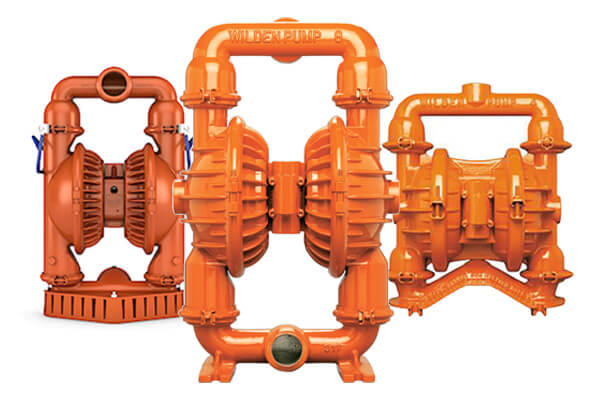
Review Stallion mining pumps or Brahma large-solids designs when their documented features match the duty. For general services, compare the actual flow and pressure requirements with the chosen industrial model.
Selection checklist
Record abrasive content and settling behaviour
Check air volume with other equipment operating
Plan safe access for inspection and parts changes
Operating boundary
A flooded or submerged installation requires the model-specific exhaust arrangement. Never assume every WILDEN configuration may be submerged without modification.
Maintenance and spare parts
Keep the complete WILDEN model code, installed diaphragm material and air distribution system in the maintenance record. Confirm air-kit and wet-kit compatibility separately. Follow the model-specific engineering, operation and maintenance manual for isolation, inspection, fastener torque and reassembly; a generic parts list is not a repair procedure.
Discuss your application
Send the fluid composition, concentration, temperature, viscosity, solids information, target flow, backpressure, suction conditions and available air supply. These details allow a meaningful configuration review and a matching spare-parts recommendation.
Explore WILDEN pumps · Repair kits · Request selection support
Editorial application guidance by Willee. Reference: Wilden Mining. This page describes an application, not a customer installation or a guaranteed operating result.